When a Perfect Score Isn't Enough: The Hidden Reasons Flawless-Credit Borrowers Still Get Turned Down
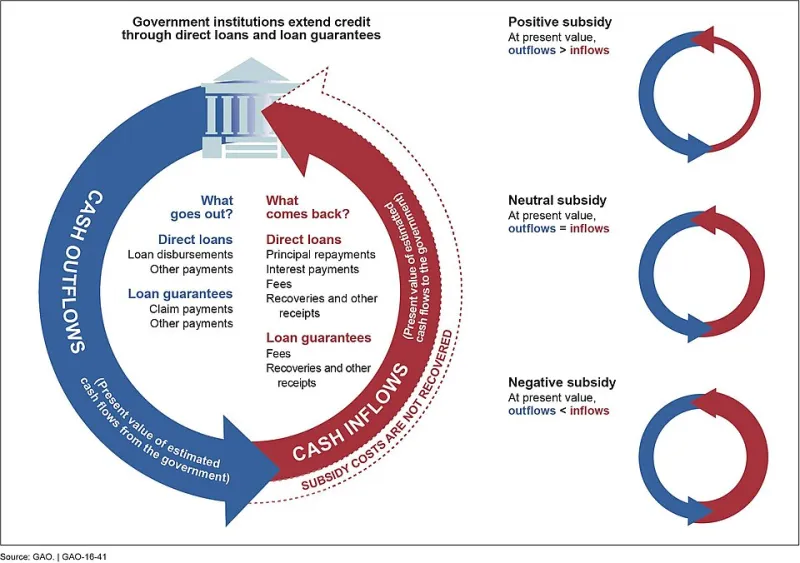
Photo: U.S. Government Accountability Office, Public domain, via Wikimedia Commons
Credit scores are widely treated as the definitive measure of a borrower's trustworthiness. A score above 750 is supposed to open doors — lower interest rates, faster approvals, and access to the most competitive lending products on the market. Yet every year, thousands of Americans with near-perfect credit histories receive rejection notices from personal loan lenders, often with little explanation beyond a vague reference to "creditworthiness criteria."
If you've experienced this firsthand, you're not imagining things. The modern lending landscape has evolved well beyond the simple three-digit score, and understanding what lenders are actually evaluating can be the difference between securing financing and starting over from scratch.
The Credit Score Misconception
FICO scores and their VantageScore counterparts were designed to predict the statistical likelihood that a borrower will default on a debt obligation. They do this reasonably well — but they were never designed to be the only variable in a lending decision. Lenders have always known this. What's changed in recent years is the sophistication of the tools they use to supplement that score.
Think of your credit score as a prerequisite rather than a guarantee. Meeting a lender's minimum score threshold simply earns you a seat at the table. The actual approval decision is shaped by an entirely separate set of calculations.
Debt-to-Income Ratio: The Metric That Overrides Your Score
Of all the factors that can sink a loan application despite strong credit, debt-to-income ratio (DTI) is the most common culprit. This figure compares your total monthly debt obligations — including mortgage or rent, car payments, student loans, and minimum credit card payments — against your gross monthly income.
Most personal loan lenders prefer a DTI below 36 percent, though some will stretch to 43 percent. A borrower earning $8,000 per month with $3,500 in existing monthly obligations carries a DTI of nearly 44 percent. Even if that borrower has a 790 FICO score and a spotless payment history, many lenders will view the application as carrying too much financial strain to add another monthly obligation.
High earners are not immune to this problem. In fact, high-income borrowers sometimes accumulate proportionally large debt loads — premium mortgages, luxury vehicle financing, and substantial student loan balances — that push their DTI into problematic territory regardless of their income level.
The Thin File Problem Among High Scorers
Some borrowers achieve excellent scores through a narrow range of credit behaviors: a single long-standing credit card, paid in full every month, combined with a mortgage. The score may read 780, but the underlying credit file is what lenders call "thin" — meaning there isn't enough behavioral diversity to confidently predict how the borrower will manage a new type of obligation.
Personal loans are unsecured installment products, and lenders want to see evidence that you've successfully managed unsecured installment debt before. If your credit history consists primarily of revolving accounts and a single secured mortgage, some lenders will hesitate — not because your score is low, but because your experience with the specific product type they're offering is limited.
Recent Credit Behavior Carries Disproportionate Weight
Credit scoring models are backward-looking by nature, and a strong long-term history can mask recent behavioral shifts that lenders find concerning. Many underwriting systems now apply heavier weighting to the most recent 12 to 24 months of account activity.
A borrower who carried a near-perfect score for a decade but opened three new credit cards in the past year, took out a car loan six months ago, and is now applying for a personal loan may appear to be in a sudden liquidity squeeze — regardless of what the aggregate score suggests. Lenders interpret a cluster of recent credit applications as a potential signal of financial stress, even when the score hasn't yet reflected that activity.
Employment Type and Income Verification Gaps
Modern lenders don't just verify that income exists — they scrutinize its stability, predictability, and verifiability. This creates a specific problem for certain high-earning borrower profiles.
Freelancers, independent contractors, and self-employed professionals frequently report income that is inconsistent month to month, even when annual totals are substantial. If a lender's underwriting system requires two years of consistent W-2 income and you've been self-employed for 18 months, your 800 credit score may not compensate for the documentation gap.
Similarly, borrowers who recently changed industries, accepted a position with a large commission component, or transitioned from salaried to hourly employment may find that lenders discount their stated income until a longer track record is established.
Alternative Data and Behavioral Scoring
A growing number of lenders — particularly fintech platforms — have moved beyond traditional credit bureau data entirely, or use it alongside proprietary behavioral scoring models. These systems may analyze patterns such as:
- Cash flow consistency: Regular deposits and predictable spending patterns suggest financial stability
- Account balance behavior: Borrowers who consistently maintain a buffer in their checking accounts are viewed more favorably than those who frequently approach zero
- Utility and rent payment history: Some lenders now incorporate on-time rent and utility payments, which can help or hurt depending on your history
- Banking relationship depth: Applicants who hold existing accounts with a lender or its affiliated institutions may receive preferential treatment
For borrowers who've relied entirely on their FICO score as a proxy for financial health, these alternative signals can produce unexpected outcomes. A 760-score borrower who maintains healthy cash reserves and consistent deposit patterns may outperform a 790-score borrower with erratic banking behavior.
Loan Purpose and Amount Alignment
Lenders also evaluate whether the loan amount you're requesting makes sense relative to your stated purpose and overall financial profile. Requesting $40,000 for a home renovation when your income and asset profile suggest $15,000 would be more appropriate raises flags — not because the credit score is weak, but because the request appears disproportionate.
Conversely, requesting a very small loan amount from a lender whose minimum profitability threshold requires a certain loan size can also result in a quiet denial, even from a highly qualified borrower.
What to Do When Your Score Isn't the Problem
If you've been denied a personal loan despite strong credit, the path forward requires a different kind of diagnosis. Start by requesting the specific adverse action notice the lender is required to provide under the Equal Credit Opportunity Act — this document must identify the primary reasons for denial.
From there, consider the following steps:
- Calculate your actual DTI before applying elsewhere, and reduce existing balances where possible
- Diversify your credit mix over time by responsibly adding installment product experience
- Document income thoroughly if self-employed, including profit and loss statements and tax returns for at least two years
- Use a loan comparison platform to identify lenders whose underwriting criteria align with your specific financial profile before submitting formal applications
At AmeriLoanSearch, comparing multiple lenders simultaneously allows you to assess which institutions are most likely to align with your complete financial picture — not just your score. That distinction matters more than most borrowers realize until they've encountered their first unexpected rejection.
The Broader Lesson
A perfect credit score is a remarkable financial achievement, and it genuinely does expand your access to lending products. But treating it as an unconditional guarantee of approval is a misconception that leaves borrowers unprepared for the full scope of modern underwriting. The lenders who compete for your business are running multivariable analyses, and every variable tells part of your story. Understanding which chapters they're reading most closely is the first step toward making your next application one that ends with a yes.